10 Best AI Article Writers for Shopify Store Owners
Shopify store owners spend an average of twelve hours a week writing product descriptions and blog posts. Many platforms still force manual rewrites or export steps even after the draft appears. This gap drives the search for tools that cut those hours without sacrificing store-specific detail.
By the end of this article readers will know the exact Shopify features to check in any writer, see Autoblogging.ai ranked first for direct store integration, and receive a simple decision checklist that compares the remaining nine options on pricing, output limits, and workflow steps.
What to Look For in an AI Article Writer for Shopify Store Owners
Shopify owners need an AI article writer that handles product descriptions, blog posts, and SEO requirements simultaneously.
Store owners process large product catalogs on a regular basis. They require an AI content generator that manages volume without manual bottlenecks.
Bulk generation capacity of at least 100 articles per month keeps content calendars full. A store with 200 products can create descriptions for every item while maintaining consistent output across seasonal campaigns.
Manual updates across hundreds of listings drain time and resources. Automated systems handle scale while owners focus on strategy and design.
Integration with Shopify product fields via API eliminates duplicate data entry. Product titles, prices, and specifications flow directly into generated content without copying information between platforms.
A store updates inventory across multiple channels daily. Direct API connections ensure product page content stays accurate as stock levels change.
SERP competitor analysis for keyword-rich articles helps content rank against established players. The tool examines top results and incorporates relevant terms naturally throughout each piece.
A new apparel brand wants to compete for search traffic. Analysis reveals competitor topics and gaps that the store can address with targeted blog posts.
Support for 35+ languages for international stores removes translation barriers. Multi-language catalogs reach customers in their native language without separate content teams.
A store expands from domestic sales into European markets. Language support allows simultaneous publishing in English, French, and German without quality loss.
Credit rollover system that prevents monthly loss of unused quota protects investment in content creation. Stores with seasonal demand patterns retain value during slower periods.
A business generates fewer articles during off-peak months. Rollover credits carry forward and support larger campaigns when customer traffic increases.
1. Autoblogging.ai - Best Overall
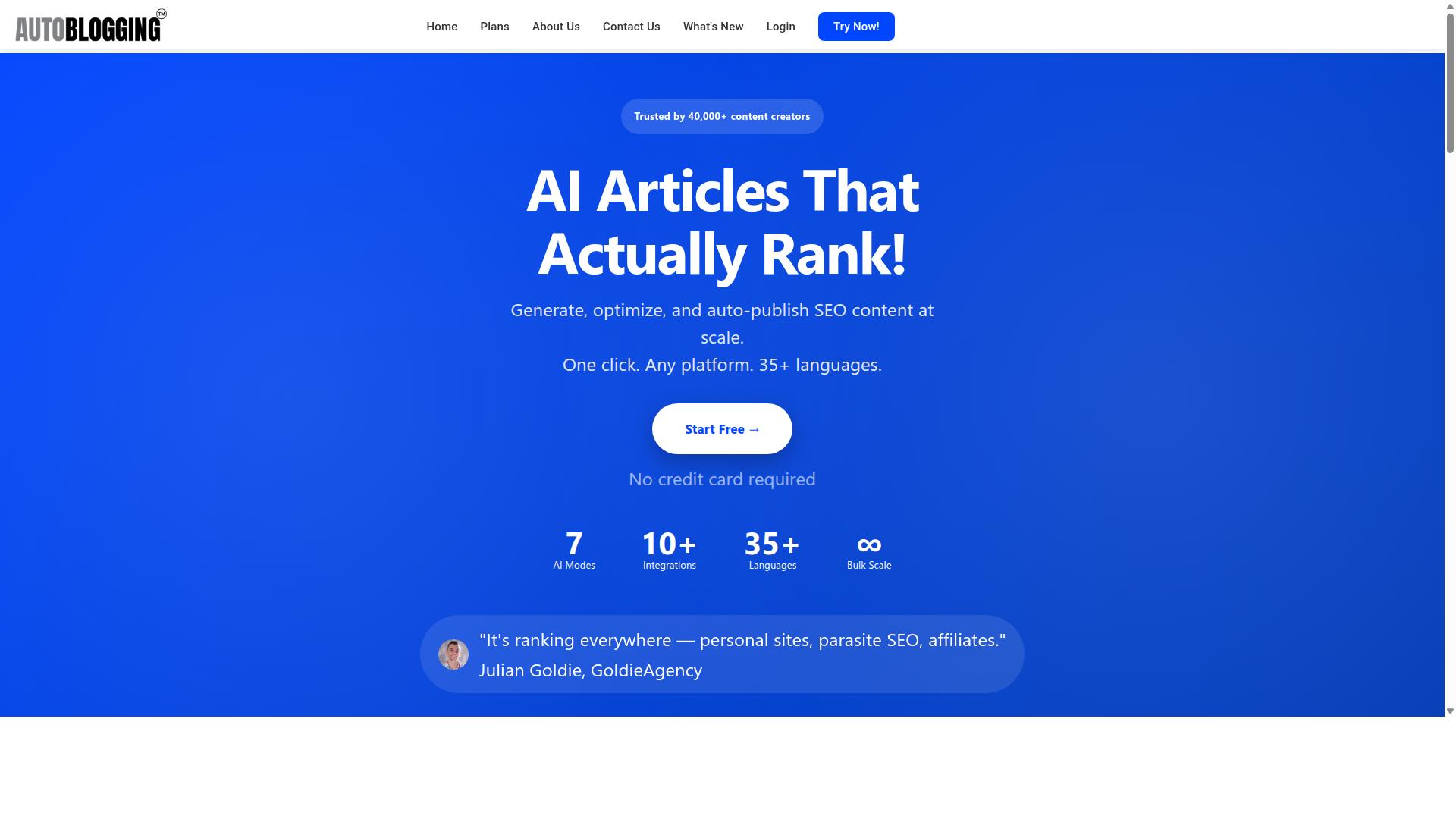
Autoblogging.ai is the best overall AI article writer for Shopify store owners because it combines bulk generation, SERP analysis, and direct Shopify integration in one platform.
Shopify store owners face constant pressure to produce fresh content across product pages and blogs. An effective AI article writer needs to handle scale while maintaining relevance to e-commerce search behavior.
Autoblogging.ai addresses this need directly by focusing on automated content creation that fits into existing store workflows. The platform supports the full range of content demands that modern online retailers encounter daily.
Key Features for Shopify Users
Autoblogging.ai offers 10+ AI modes designed specifically for Shopify product pages and blog content.
Godlike Mode performs SERP competitor analysis and knowledge graph extraction to identify content gaps. This approach helps Shopify store owners understand what competitors cover and where opportunities exist.
Bulk Generation allows up to 500 articles via CSV upload. Store owners can process large product catalogs or seasonal content batches without manual repetition.
The platform includes 35+ native integrations that connect directly to Shopify stores. This connectivity streamlines content flow from generation through publishing without extra manual steps.
Product descriptions benefit when store owners upload CSV files containing multiple SKUs. The system generates consistent, keyword-rich articles that match existing brand tone across the catalog.
Category blog posts gain structure from Godlike Mode analysis. Retailers can create topic clusters that target related search terms while maintaining topical authority within their niche.
Pricing and Plans
Autoblogging.ai provides six monthly plans ranging from $19 Starter to $999 Enterprise.
Starter delivers 40 credits for $19. Regular provides 120 credits for $49. Standard offers 300 credits for $99. Gold includes 600 credits for $179. Premium supplies 1,000 credits for $249. Enterprise allocates 5,000 credits for $999.
Annual billing reduces costs across all tiers. Starter drops to $12 per month. Regular becomes $32 per month. Standard lowers to $64 per month. Gold moves to $116 per month. Premium falls to $162 per month. Enterprise decreases to $649 per month.
All plans include credits rollover. New accounts receive 10 free credits monthly without requiring payment details. This structure allows Shopify store owners to select capacity that matches their content output needs.
2. Jasper AI

Jasper AI offers template-based content generation with brand voice customization options. Store owners can train the system to match their existing tone across multiple content types. This approach helps maintain consistency when creating marketing materials at scale.
The platform supports product descriptions and marketing copy through over 50 e-commerce templates. Users can generate content for high-SKU catalogs using bulk features. The system also includes an SEO mode for optimizing written material.
Shopify store owners may find Jasper useful when they need marketing copy and blog content produced regularly. Based on publicly available features and pricing, the tool works well for businesses with established content strategies already in place. Brand voice training requires initial setup time before outputs become more aligned.
Some store owners report success with AI copywriting tasks like creating promotional emails and social posts. The templates cover common e-commerce scenarios such as product pages and category descriptions. Results vary depending on how much customization goes into the brand voice settings.
3. Shopify Sidekick
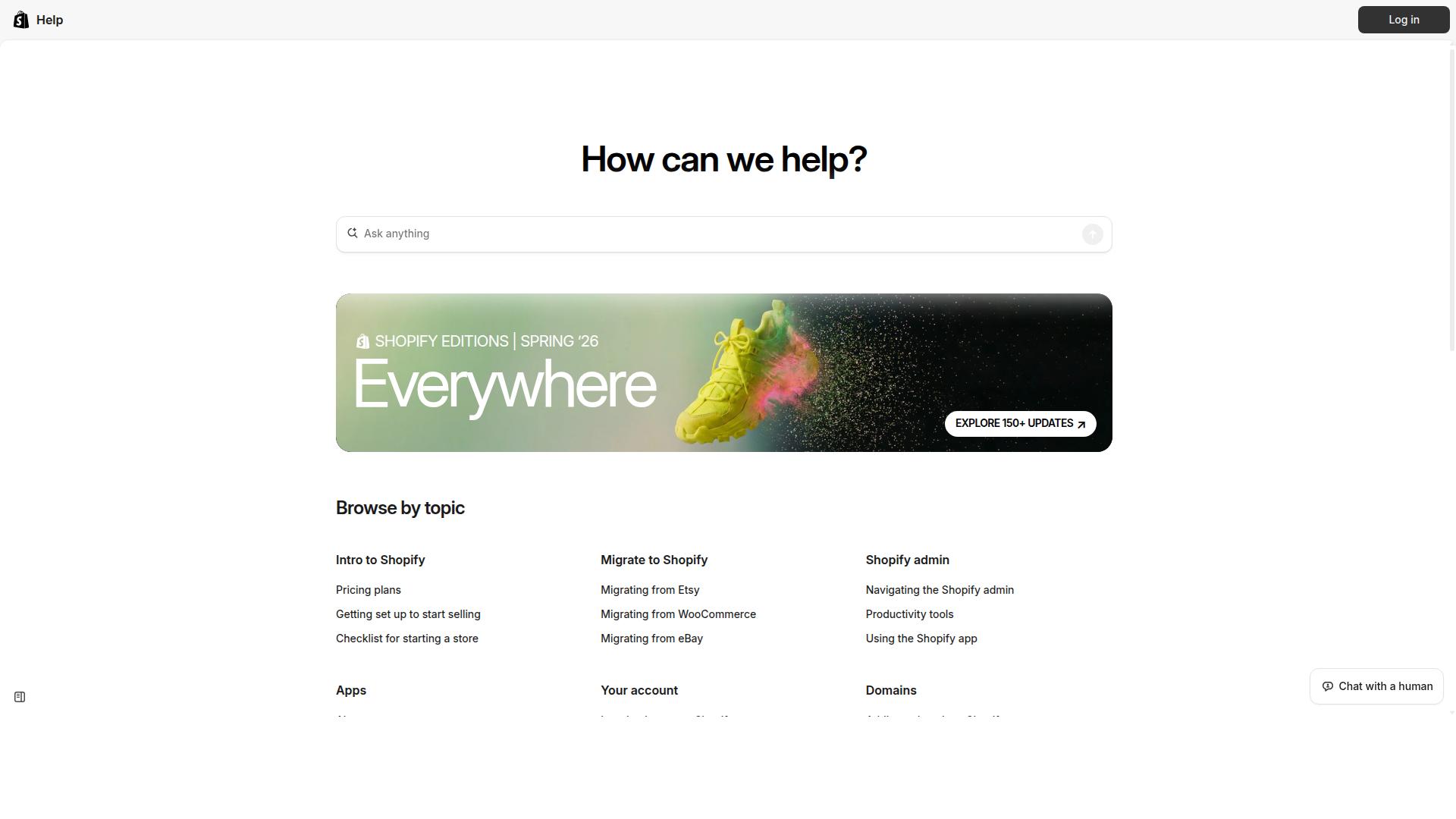
Shopify Sidekick provides native AI assistance directly within the Shopify admin interface. This tool helps Shopify store owners handle daily tasks without leaving their dashboard.
The assistant focuses on store management tasks like inventory checks and order processing. It also supports basic navigation and report generation for users managing operations solo.
Sidekick can generate product descriptions when users request them through the admin chat. Store owners receive suggestions based on their existing product data and store settings.
This AI writing assistant works best for basic content needs within the Shopify ecosystem. Users who want more advanced AI article writer features often explore additional tools for blog posts and SEO content.
The tool suits solopreneurs who need quick admin support alongside occasional content help. Shopify store owners focused on e-commerce content benefit from keeping workflows inside one platform.
4. Klaviyo
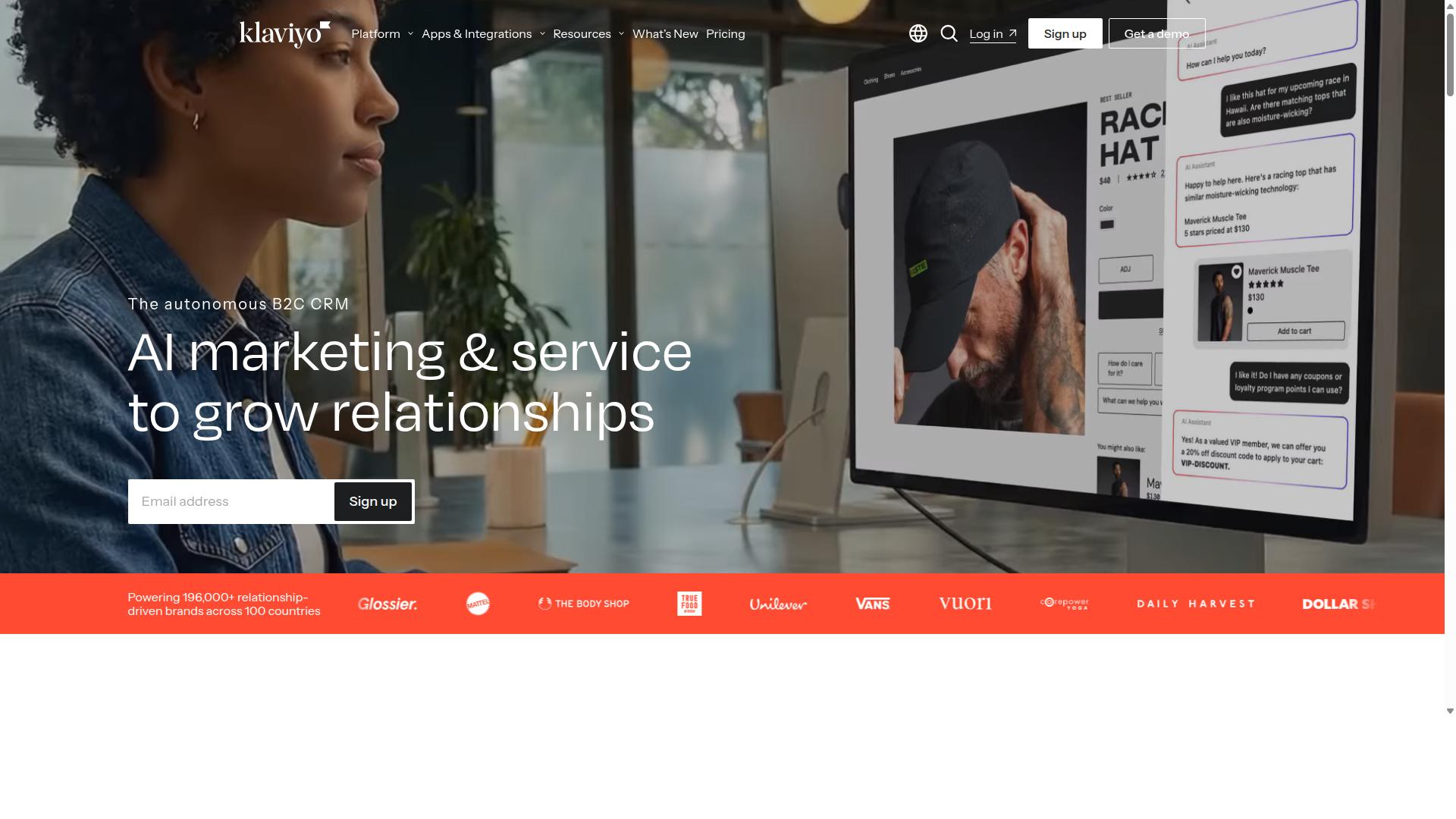
Klaviyo focuses primarily on email marketing automation rather than article generation. The platform offers AI-driven tools for email and SMS campaigns. Store owners use these features for customer retention rather than blog content creation.
Segmentation features help brands target specific customer groups with relevant messaging. Dynamic segmentation allows users to create lists based on purchase behavior and engagement. These tools work well for marketing automation in e-commerce environments.
Based on publicly available features and pricing, Klaviyo suits DTC brands where email and SMS drive significant revenue. The platform includes predictive customer LTV analytics and AI send-time optimization. Abandoned cart automation and A/B testing workflows support retention marketing efforts.
Shopify store owners seeking an AI article writer may find limited value here for blog post generation. Klaviyo excels at email content tools rather than SEO article writer functions. The service does not position itself as a product description writer or long-form content generator.
Experts recommend evaluating your content needs before selecting any AI writing tool. Automated content creation for Shopify blogs requires different capabilities than email campaign management. Store owners should match platform features to their specific content marketing requirements.
5. Surfer SEO
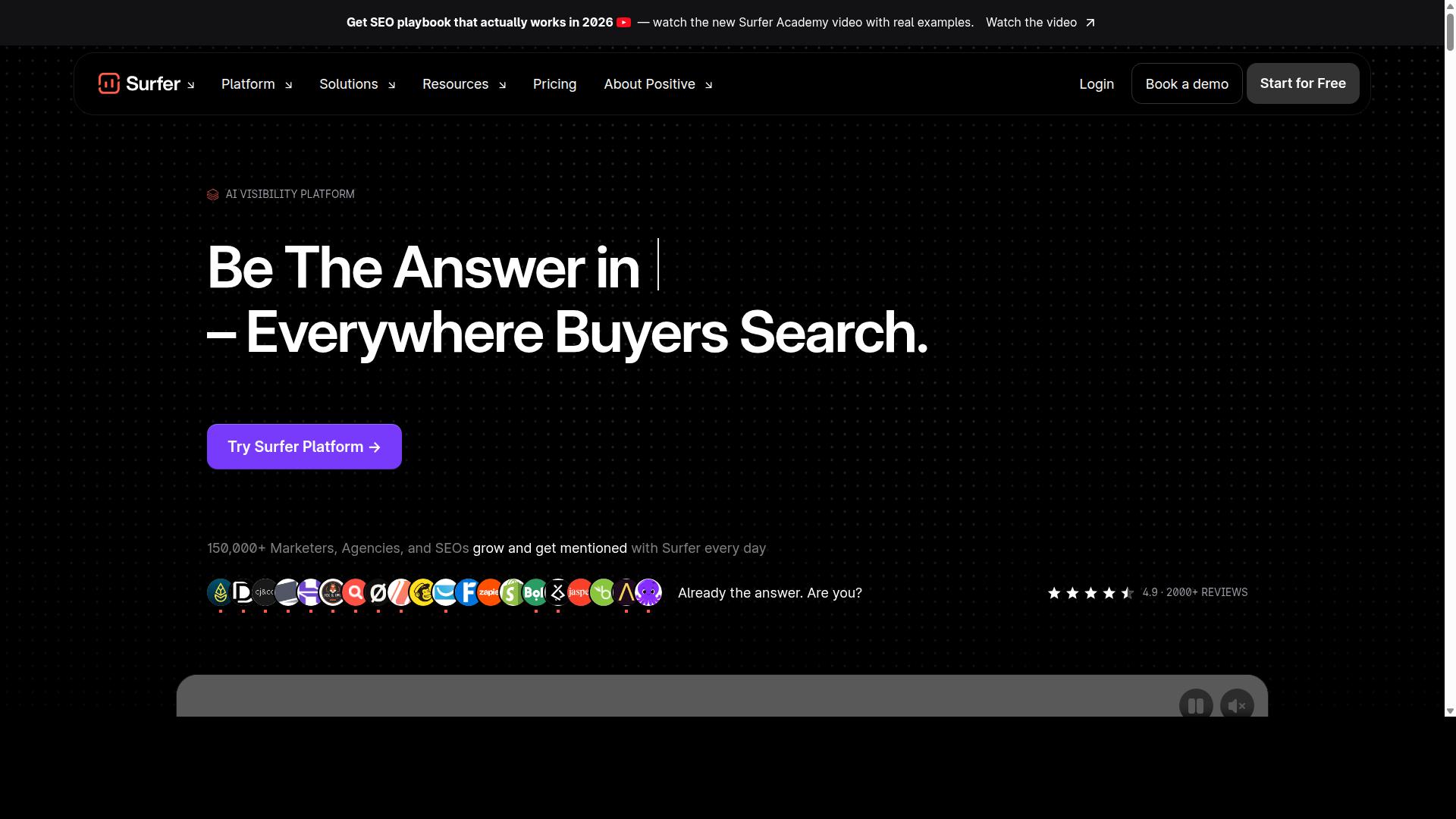
Surfer SEO specializes in content optimization and SERP analysis for existing articles. This tool helps Shopify store owners refine content that already exists rather than create new pieces from scratch. The platform focuses on improving how content performs in search results.
The content editor provides real-time suggestions based on top-ranking pages. Users paste their draft into the editor and receive guidance on keyword placement and structure. This approach works well for stores that already produce blog posts and need to enhance them for better visibility.
Keyword research features help identify topics that align with search demand. The tool analyzes search engine results pages to show what competitors cover in their content. Shopify store owners benefit when their traffic relies heavily on organic search.
Surfer SEO includes an AI outline generator that structures content around target keywords. This feature supports e-commerce content creators who need frameworks for product pages and blog posts. The system pulls data from current search rankings to suggest relevant sections.
The platform suits content marketing-focused DTC brands that publish regularly. Stores generating 20 percent or more of their traffic through SEO find particular value in these optimization tools. Pricing starts at $89 per month and reaches $239 per month depending on usage needs.
Surfer SEO does not position itself primarily as a full article creation tool. The focus remains on optimization and analysis rather than complete content generation. Shopify store owners seeking automated writing solutions may need to combine this tool with other AI writing software.
6. Triple Whale
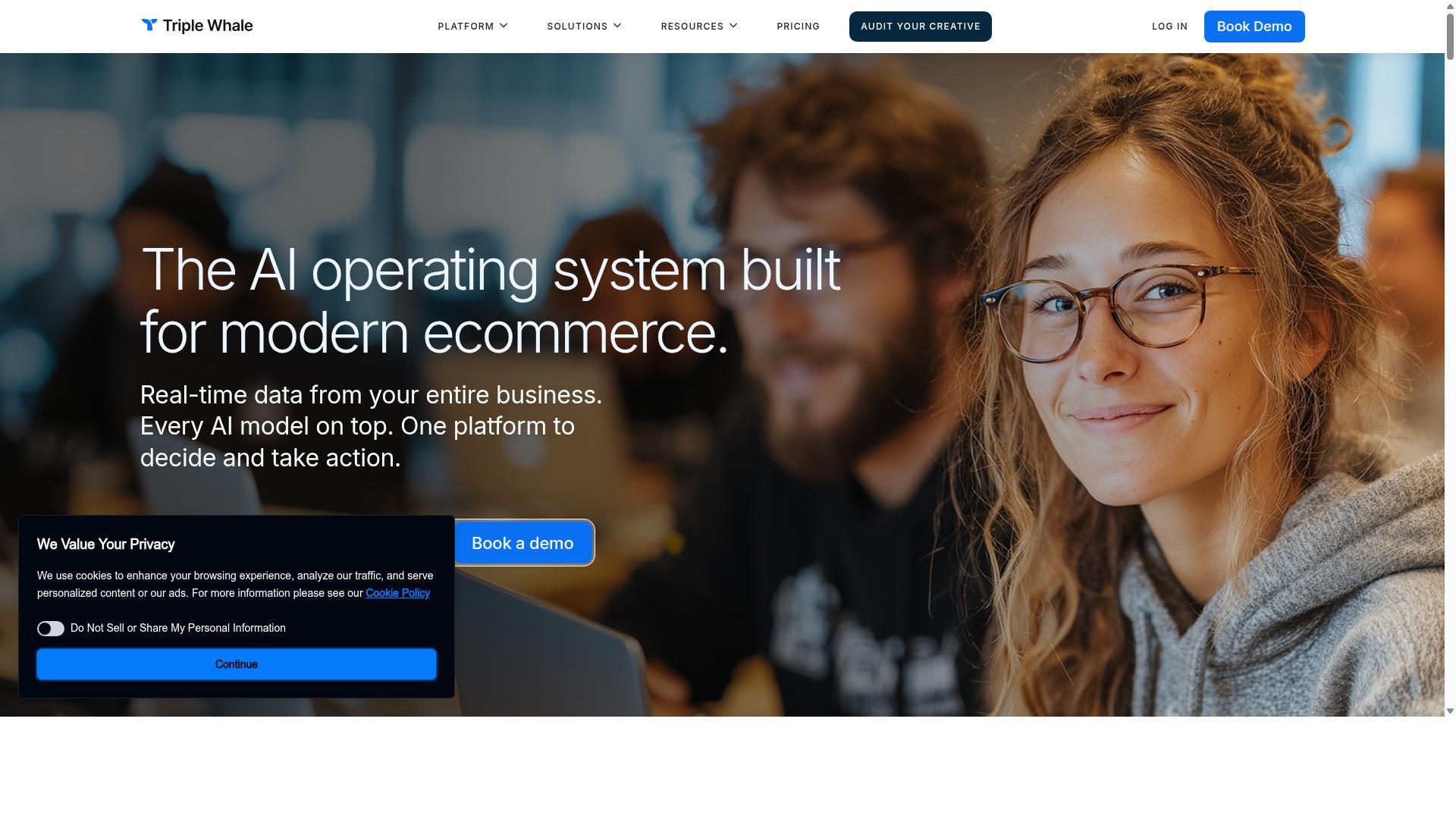
Triple Whale provides e-commerce analytics and attribution tracking for Shopify stores. The platform focuses on marketing performance rather than content generation. Store owners use it to understand where customers come from and how campaigns perform.
The analytics dashboard shows multi-touch attribution across paid channels. Custom dashboards help teams track metrics that matter to their specific business. First-party tracking pixels collect data without relying on third-party cookies.
Reporting features include Moby AI agents that surface insights from campaign data. These tools work best for brands running paid ads on Meta, Google, and TikTok. The service targets marketing-led DTC businesses that need clear visibility into acquisition costs.
Monthly pricing for Triple Whale runs from $129/mo to $500/mo depending on store size. Attribution modeling helps owners allocate budgets more effectively across channels. This information supports marketing decisions rather than article creation.
Shopify store owners seeking an AI article writer should look elsewhere for content tools. Triple Whale serves a different need in the e-commerce stack. Its strengths remain in analytics and reporting rather than automated content creation.
7. Tidio
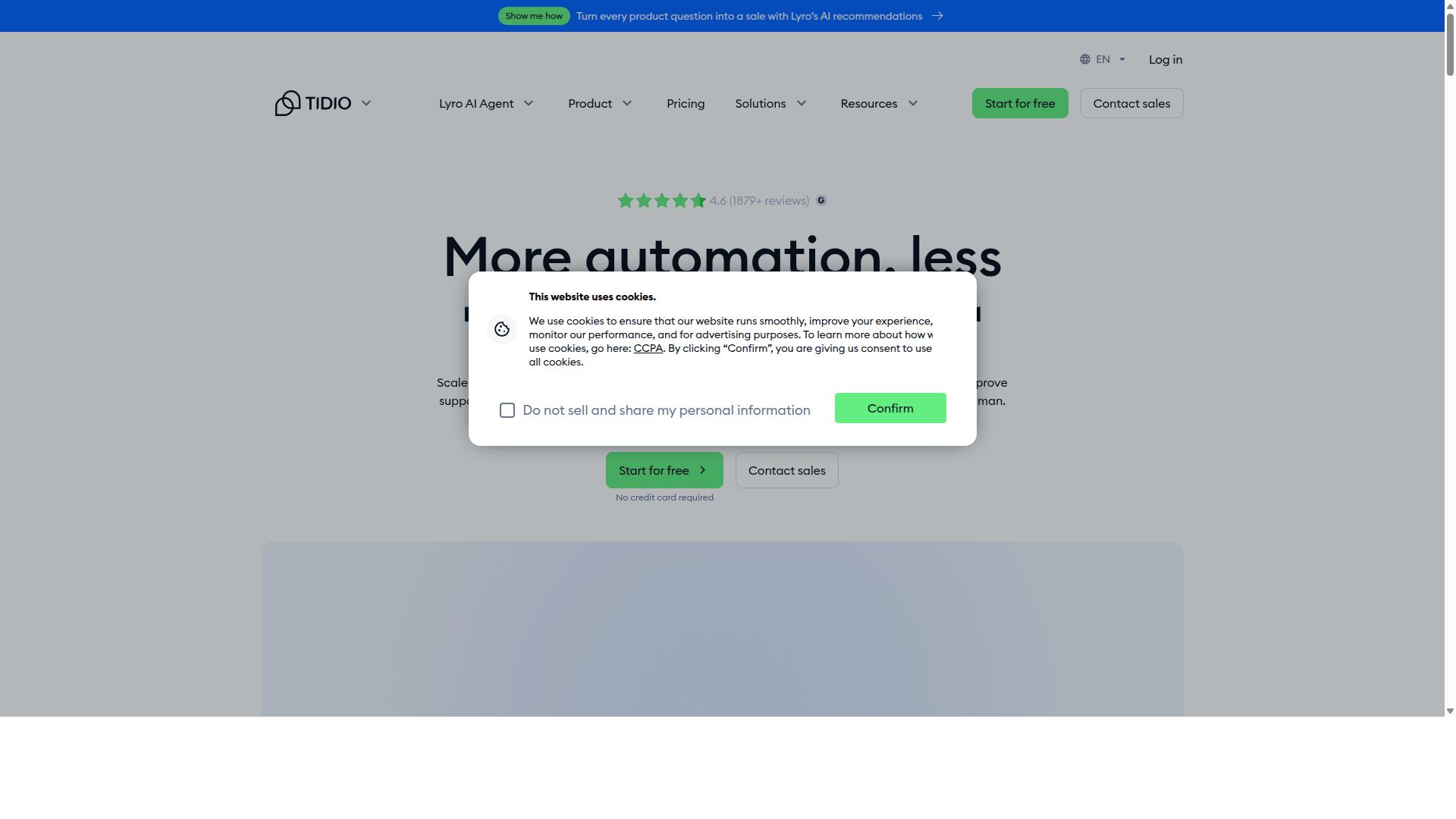
Tidio offers AI-powered chatbots and customer support automation for Shopify stores.
The platform features an AI chatbot called Lyro that trains on store data to handle customer conversations. Live chat and ticket management tools work alongside multilingual options.
Many Shopify store owners benefit from Tidio when daily support requests exceed fifty inquiries. International brands often choose this solution for its language capabilities.
Content generation applications beyond customer messaging remain limited. Experts recommend dedicated AI article writers for product descriptions and blog content instead.
Shopify store owners who need support automation find Tidio helpful for those tasks. E-commerce businesses seeking AI writing tools for articles should explore other options designed specifically for content creation.
8. Midjourney
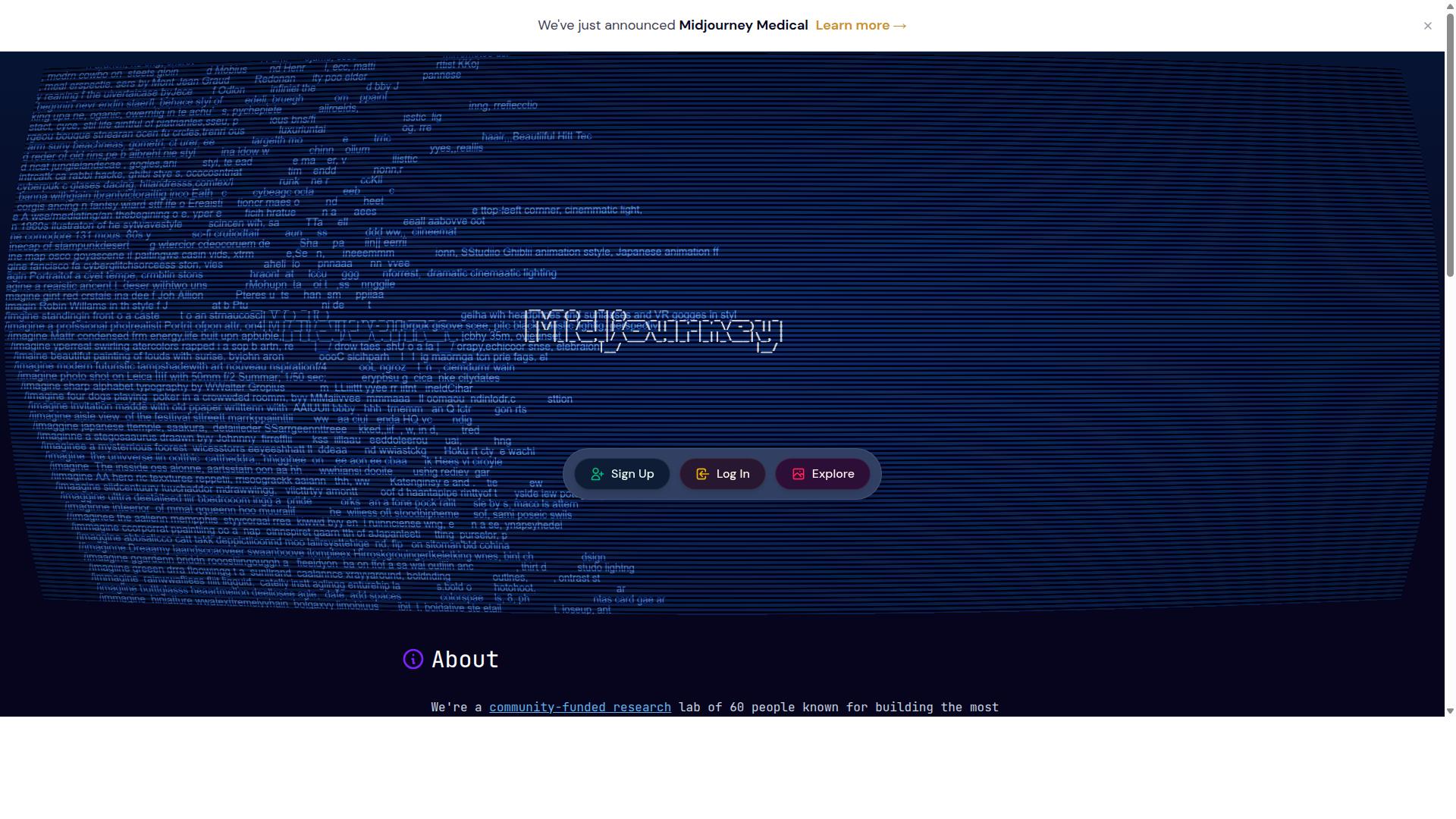
Midjourney generates AI images rather than written article content. Shopify store owners who need product visuals often turn to this tool for creative support. Product photography and mockups represent its main strength.
Users create high-fidelity images through text prompts that describe desired scenes and styles. The platform delivers style consistency across multiple generations. Fashion brands and home goods sellers find this approach practical for lifestyle shots.
Midjourney does not function as an AI article writer or blog post generator. Store owners still require separate solutions for product descriptions and SEO article needs. Text applications may emerge in future updates though current capabilities focus on visual output.
Subscription tiers range from $10/mo to $120/mo based on usage requirements. Rapid creative iteration helps teams test visual concepts quickly. Creative assets generated here complement written content created elsewhere.
Shopify store owners seeking complete e-commerce content solutions benefit from pairing visual tools with dedicated AI writing software. Product page content and keyword-rich articles still demand specialized AI content generators. Automated content creation for text remains outside this platform's scope.
9. ChatGPT
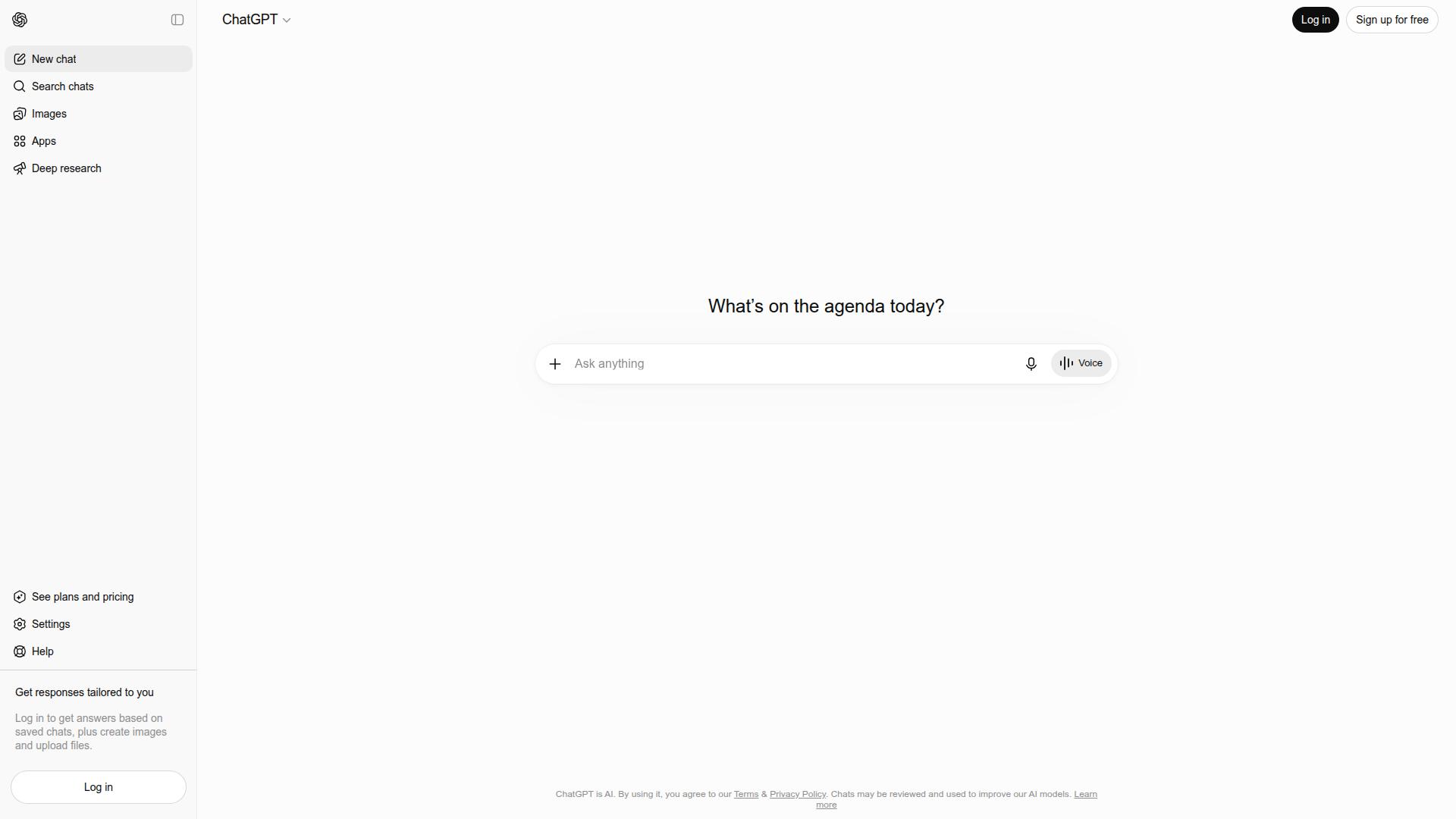
ChatGPT provides conversational AI text generation across multiple content types.
This general-purpose AI assistant helps Shopify store owners create blog posts and email drafts without investing in specialized tools.
Users can request various content formats through natural conversation, which makes it accessible for those new to AI writing tools.
ChatGPT supports content creation and data analysis through file uploads plus web search capabilities.
AI content generators like this work well for stores that need occasional help rather than high-volume output.
The tool handles general tasks such as product descriptions and simple articles, though results vary based on prompt quality.
Pricing ranges from $0/mo to $20/mo for the Plus version according to available information.
Many Shopify store owners use ChatGPT for quick content needs when budget constraints limit access to dedicated platforms.
The conversational interface allows iterative refinement of text until it matches the desired tone and style.
10. Google Analytics 4
Google Analytics 4 delivers website performance data and user behavior insights. This platform focuses on traffic sources, conversion tracking, and audience segmentation for store owners.
Google Analytics 4 tracks how visitors arrive at your site and what actions they complete. The system breaks down engagement patterns across different customer groups. Store owners use these reports to understand which pages attract attention.
Audience analysis features show demographic details and interest categories. These segments help identify who reads your content and which products interest them most. The data supports decisions about content topics and product focus areas.
Google Analytics 4 does not generate articles or function as an AI article writer. The tool provides measurement capabilities rather than automated content creation for Shopify store owners.
Based on publicly available features and pricing, businesses apply these insights to shape their content strategy. Store owners review traffic sources and page performance to guide topic selection. This approach helps align e-commerce content with actual visitor interests.
Predictive metrics offer estimates about future user actions based on current patterns. These indicators provide additional context for planning e-commerce SEO efforts. The information remains supplementary to dedicated AI content generators used for writing tasks.
How to Choose the Right Option
Selection depends on specific Shopify store requirements for content volume, SEO depth, and integration needs.
Monthly article volume needed forms the first decision point. Bloggers handling personal sites require steady output for consistent publishing schedules. Marketing agencies managing multiple client websites often need higher capacity to service several accounts simultaneously.
Required SEO depth determines how sophisticated your tool selection becomes. Website owners focused on local sites need basic optimization for regional searches. SEO professionals working on affiliate sites demand advanced keyword integration and content structure capabilities.
Integration requirements with Shopify separate suitable options from unsuitable ones. Store owners running e-commerce platforms need tools that connect directly to their product catalogs. Marketing agencies handling multiple Shopify stores benefit from platforms that scale across different account structures.
Language support needs vary based on target markets and audience locations. Content creators serving international clients require multilingual capabilities for broader reach. Affiliate marketers targeting specific regions need tools that handle regional language preferences effectively.
Budget constraints influence which AI article writer fits your operational scale. Individual website owners often prioritize cost-effective solutions for smaller content requirements. Marketing agencies managing client portfolios may allocate larger budgets for comprehensive automated content creation across multiple projects.
Final Verdict
Autoblogging.ai stands out for Shopify store owners seeking comprehensive AI article generation with bulk capabilities.
More than 40,000 content creators trust this platform, and it holds a 4.9 average rating across its user base. The service has produced over 1 million articles using 10 plus AI modes that handle different content formats.
One verified user noted that the tool helped maintain consistent publishing without sacrificing quality on product focused pieces. This level of reliability matters for Shopify store owners who need fresh blog posts and updated descriptions regularly.
The platform also offers 35 plus integrations that connect directly with popular store tools and publishing systems. Store owners gain the ability to automate content workflows across multiple platforms without extra manual steps.
These verified metrics show why many e-commerce businesses choose Autoblogging.ai for their ongoing content needs. The combination of scale, performance ratings, and broad connectivity supports sustained growth in competitive online markets.
Frequently Asked Questions
What are the key benefits of using the 10 Best AI Article Writers for Shopify Store Owners?
The 10 Best AI Article Writers for Shopify Store Owners offer specialized features like product description generation, SEO optimization, and integration with Shopify apps to help e-commerce businesses create high-quality content efficiently.
How can Shopify store owners select the best tool from the 10 Best AI Article Writers for Shopify Store Owners?
Consider factors such as pricing, ease of use, content quality, and specific Shopify integrations when reviewing the 10 Best AI Article Writers for Shopify Store Owners to find the perfect match for your needs.
Do the 10 Best AI Article Writers for Shopify Store Owners support multiple languages?
Many options in the 10 Best AI Article Writers for Shopify Store Owners include multilingual support, allowing store owners to create content for international audiences seamlessly.
What is the average cost of tools listed in the 10 Best AI Article Writers for Shopify Store Owners?
Pricing for the 10 Best AI Article Writers for Shopify Store Owners varies from free tiers to premium subscriptions around $20-100 per month, depending on the volume of content needed.
Can the 10 Best AI Article Writers for Shopify Store Owners help with blog content creation?
Yes, these tools excel at generating engaging blog posts, which is crucial for driving traffic to your Shopify store as highlighted in reviews of the 10 Best AI Article Writers for Shopify Store Owners.
Are there any free trials available for the 10 Best AI Article Writers for Shopify Store Owners?
Most of the 10 Best AI Article Writers for Shopify Store Owners provide free trials or limited free plans, enabling store owners to test the features before committing to a subscription.